
The Next Big Challenge for Content Marketer
Why most mobile apps fail, and how strong pre-launch marketing campaigns and customer support strategies drive lasting app success.
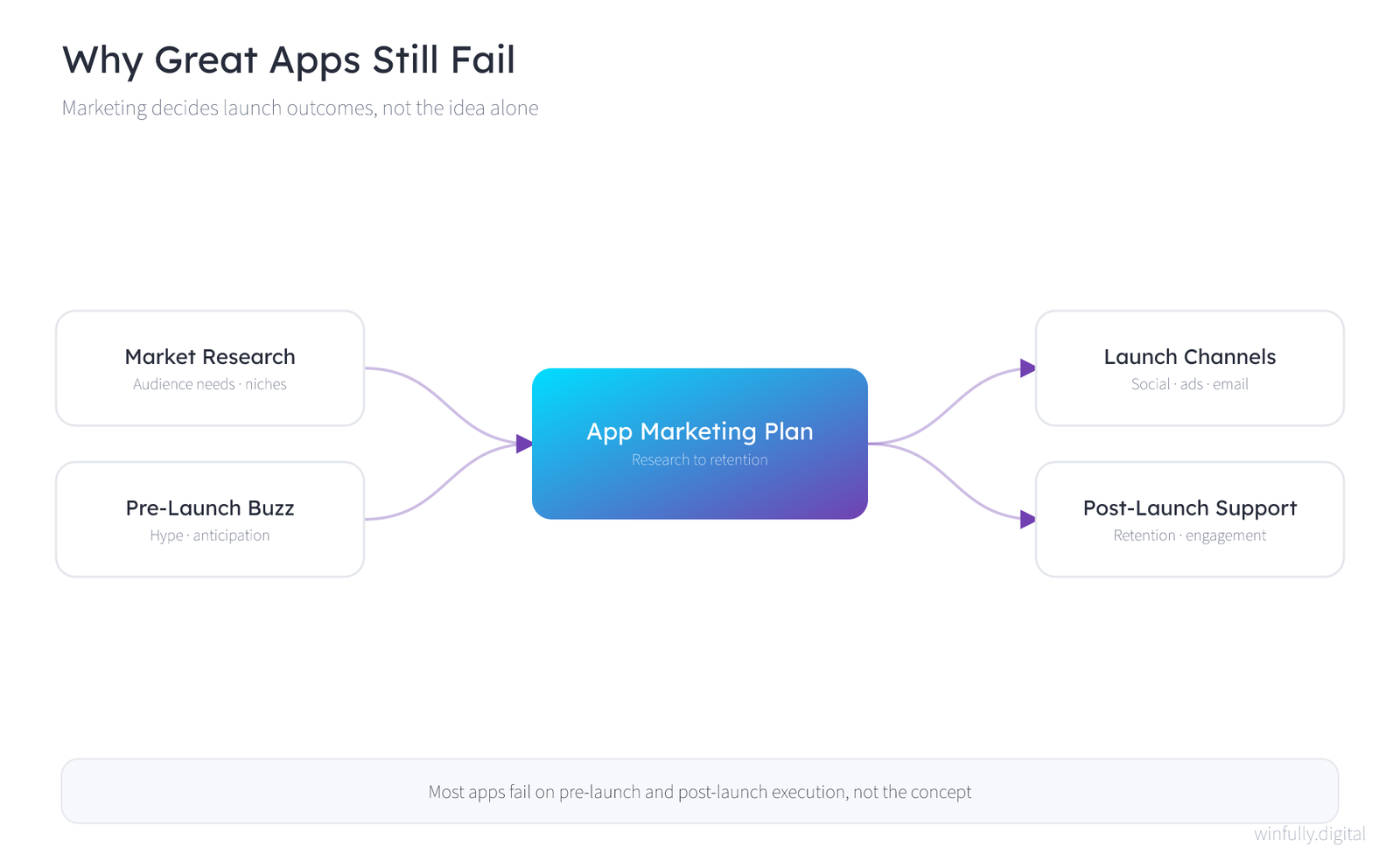
Mobile apps are everywhere now, in every corner of daily life and just about every business you can name. That pull isn't going away until something bigger comes along to replace them. Yet in any given category, only a few apps ever break through, and fewer still turn into genuine hits. So what happens to the rest? Bad ideas and shaky design or development explain some of it. But plenty of perfectly good apps fail for a simpler reason: nobody handled the launch, before or after, the way it needed to be handled.
I cannot give you the formula for success, but I can give you the formula for failure. It is: Try to please everybody.
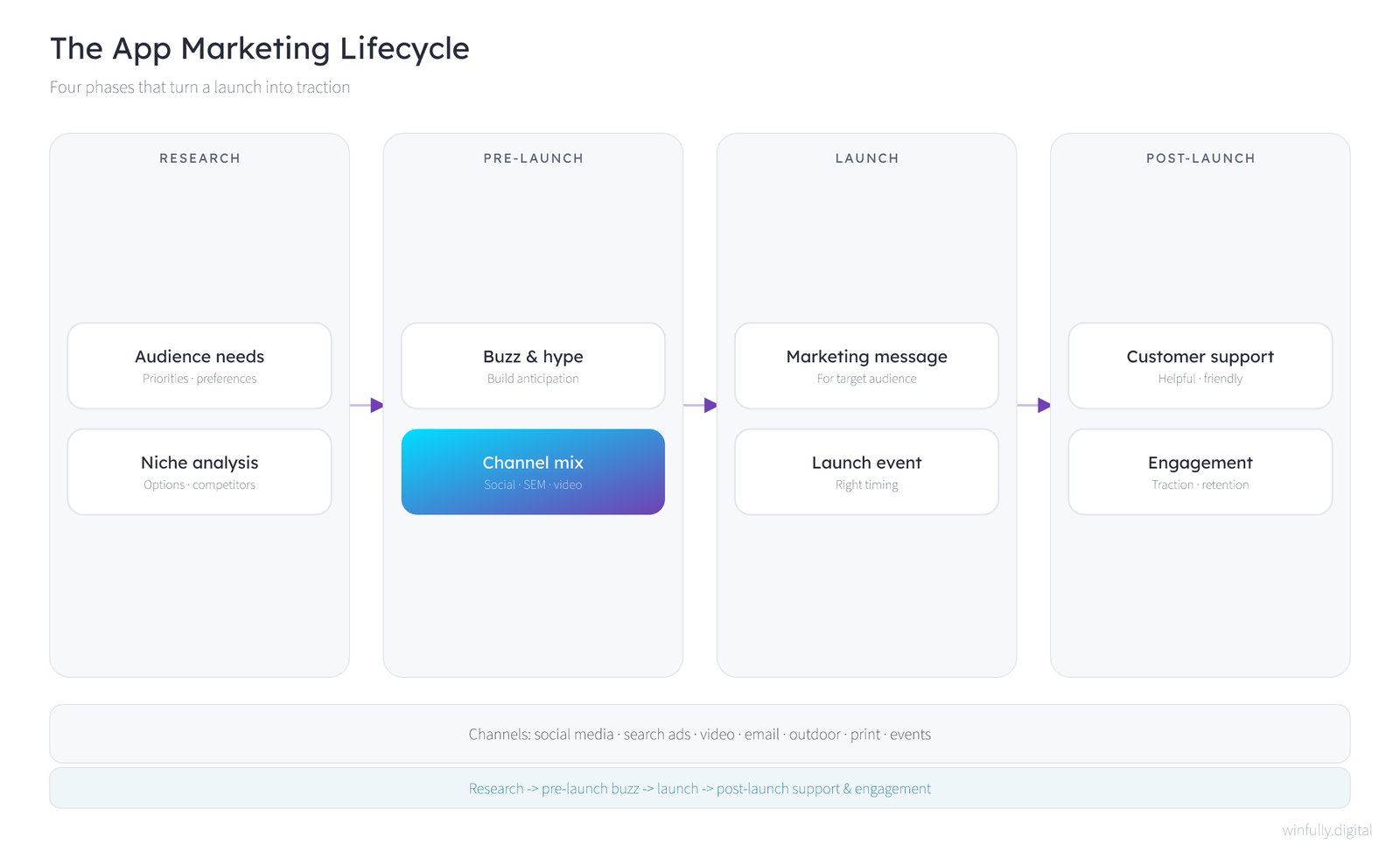
People spend hours a day in apps, and for every niche they have dozens to choose from. That makes one thing non-negotiable for marketers: you have to know your audience's needs, priorities, and expectations cold. Which is why real market research belongs at the very start of a project, not the end. And by the time the app is ready to ship, you should already have a launch plan built around the channels and the message that fit the people you're trying to reach.
Missing On A Pre-Launch Campaign
Most marketers pour their energy into what happens after launch and skip the run-up entirely. That's a mistake. It means the app arrives to silence instead of anticipation. Ideally, by launch day a sizable group is already waiting for it, and that only happens after weeks of steady effort beforehand. The toolkit is wide: social media campaigns, search and video ads, email. And it isn't all online, outdoor and print ads, media placements, and promotional events still reach audiences the digital channels miss.
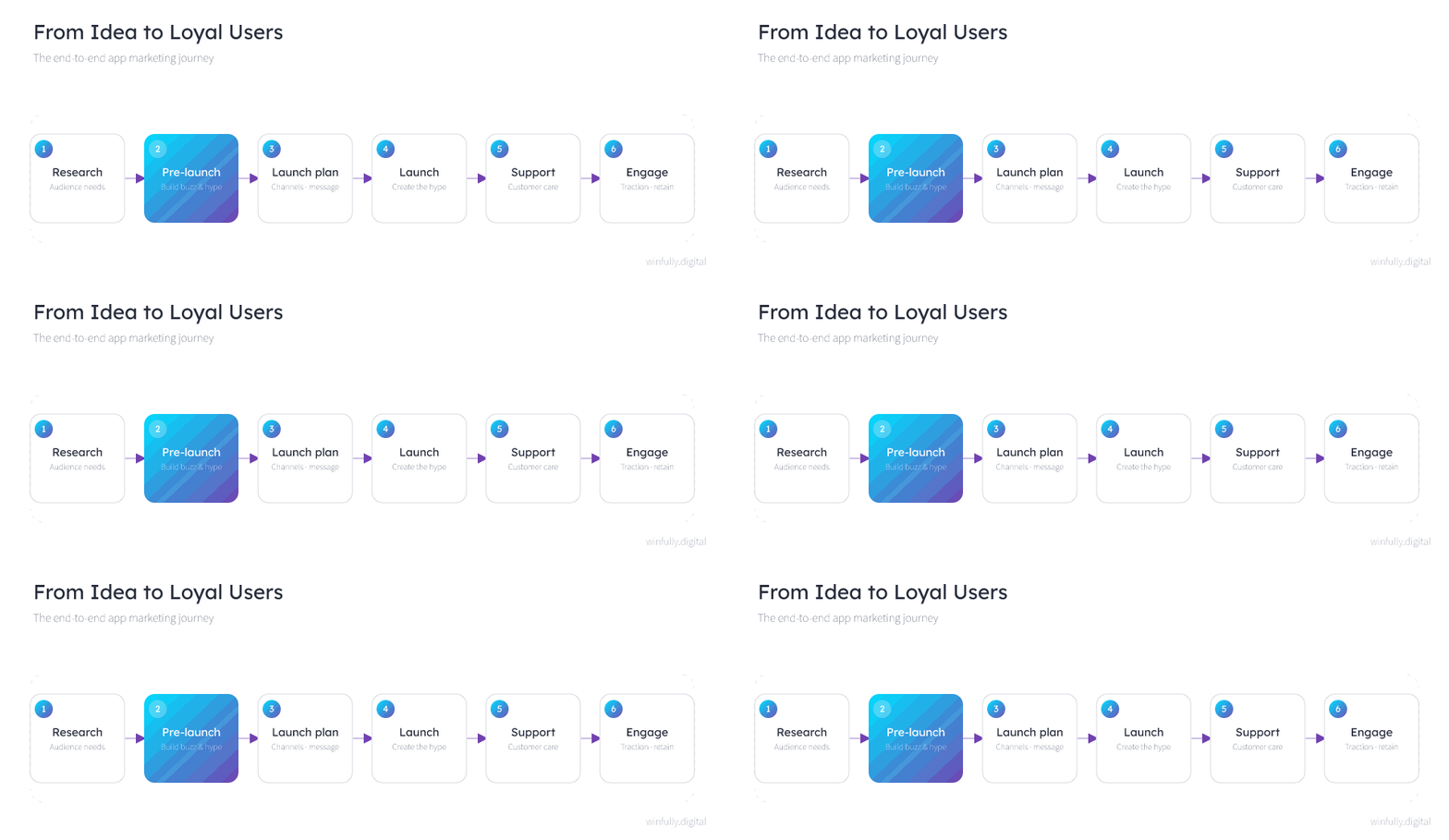
The whole effort is really one continuous journey — here is how those stages connect from first research to loyal, engaged users.
Think about the shops you actually recommend. It's rarely just the products, it's how they treat you. Apps work the same way. The ones that back their users with real, responsive support hold attention and engagement far better than the ones that go quiet after install. The brands people love worldwide earned that loyalty largely on the strength of their service.